
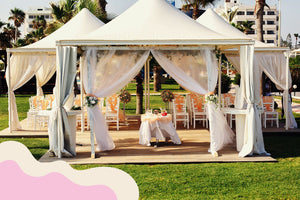
A golf course already owns the two things an event venue spends millions trying to buy: acreage and a view. A tent is what converts them into bookable revenue without pouring a foundation.
Beyond Tent supplies commercial-grade tents, flooring and event furniture to golf courses, country clubs and private clubs across the United States, shipping from six US locations.
What courses and clubs use tents for
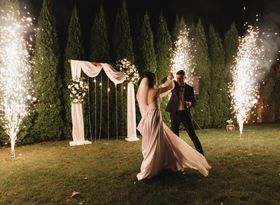
- Weddings and receptions — almost always the highest-margin use, and the reason most clubs buy rather than rent
- Tournament infrastructure — registration, scoring, hospitality, sponsor activations, awards
- Member events — club championships, holiday parties, family days, member-guest weekends
- Corporate outings, where the tent is what lets you sell a full-day package rather than a tee time
- Halfway house and on-course hospitality during events
- Driving range and short-game cover, extending lesson and practice revenue through weather
- Overflow dining when the clubhouse is at capacity or under renovation
Sizing for receptions and banquets
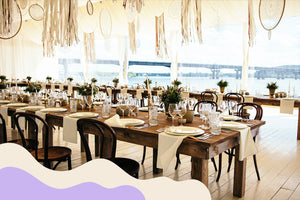
Club events are usually seated meals with a dance floor and a bar, which consume more space than people expect.
| Tent | Seated dinner only | With dance floor & bar |
|---|---|---|
| 20’x40’ | ~80 | ~50 |
| 30’x60’ | ~180 | ~120 |
| 40’x60’ | ~240 | ~170 |
| 40’x80’ | ~320 | ~230 |
| 40’x100’ | ~400 | ~290 |
A dance floor typically takes 300–600 square feet. A bar, buffet line, cake table and head table each take more. Frame tents are clear-span, which matters when every seat needs a sightline to the head table.
Protecting the course — the part that matters most
This is where a club-specific decision differs from every other tent buyer, and it is worth getting right the first time.
Irrigation
Do not stake anywhere near an irrigation line without locating it first. A driven stake through a lateral is a costly repair and a course closure at the worst possible moment. Your superintendent knows where the lines run — involve them in siting the tent before anything is ordered, not on setup day.
Where staking is not acceptable, ballast is the answer. See hard-surface and ballast anchoring for the weight requirements, which are substantial and inspected separately from the fabric certificate.
Turf
Turf under a tent goes without light. Over a weekend that is usually recoverable; over a week in summer it may not be. Flooring protects the surface and gives guests a level floor, and synthetic turf is used where a permanent event lawn makes more sense than repeatedly recovering the real one.
Plan tent siting with your superintendent around the agronomic calendar, not just the events calendar.
Permits and fire
Being on private property does not exempt a public assembly event. Most jurisdictions require a permit above roughly 400 square feet, and a wedding or tournament is public assembly.
Every commercial tent we sell is NFPA 701 certified, and the certificate is available to download for your permit file. Our permit guide covers thresholds by state. At 50 or more occupants expect to provide a floor plan showing exits.
Equipment
Flooring and dance floors
Event flooring for level footing on undulating ground — a golf course is never flat. Dance floors are the single accessory that most changes what a club can charge for a wedding.
Sidewalls and liners
Sidewalls for weather and wind. Tent liners are what turn a functional white tent into something that photographs like a ballroom — for a club selling weddings this is often the highest-return purchase after the tent itself.
Climate
Heating for shoulder-season and evening events, cooling for summer. Both directly widen the months you can sell.
Furniture
Crossback and Chiavari-style chairs for weddings, stacking chairs for turnover, farm tables and round tables, plus linens.
Staging and lighting
Staging for bands, ceremonies and awards presentations. String lights and event lighting.
Planning a tented event programme? Tell us your typical guest counts and how many events a year, and we will help you work out whether buying beats renting — and which sizes actually earn their storage space.
Financing is available for clubs spreading a capital purchase across a budget year. See options.
Se habla español.
Common questions
Should we buy or keep renting?
It comes down to events per year and your local rental rate. Clubs running a regular wedding and tournament calendar typically reach payback quickly because the tent replaces a recurring cost rather than creating a new one. Our ROI guide shows how to run the numbers for your own figures.
Can we anchor without staking the fairway?
Yes, with ballast. Weight per leg is significant and needs planning for — it is not a last-minute substitution. Talk to us about your site before ordering.
How long can we leave it up?
Many jurisdictions limit temporary structures to a set number of days per year on one property, commonly around 180. Turf underneath is usually the tighter constraint anyway.
Can we put the club logo on it?
Yes. Custom printing is available on most tent tops.
Who sets it up?
Grounds crews commonly handle installs up to about 30 feet wide with the right equipment. Larger structures need experienced crews. Tent jacks substantially reduce the number of people required.
Talk to us
Call 866-296-3868 — Mon–Fri, 9:00 AM to 6:00 PM EST
Email sales@beyondtent.com
Shop frame tents →